The Summer Safety Guide You Didn’t Know You Needed

Overview
- Beat the heat and sun: Stay hydrated, wear sunscreen daily, seek shade during peak UC hours, and know the warning signs of heat exhaustion and heat stroke.
- Stay safe outdoors: Practice water safety at pools, beaches, and lakes, protect yourself from mosquitoes and ticks, and be prepared for summer weather like thunderstorms and hurricanes.
- Protect the whole family – including pets: Never leave children or pets in parked vehicles and take extra precautions during travel and outdoor activities.
Summer is all about sunshine, pool days, backyard barbecues, and spending more time outdoors. While the season brings plenty of opportunities for fun, it also comes with some safety risks that can catch even the most prepared people off guard.
From extreme heat and sun exposure to water hazards, severe weather, insects, and even pet safety concerns, a little preparation can help you and your loved ones enjoy a safe summer.
Use this comprehensive summer safety guide to stay protected all season long.
Why Summer Safety Matters
Longer days and higher temperatures mean more time outside, but they also increase the likelihood of dehydration, heat-related illnesses, sunburn, insect bites, weather emergencies, and accidents around water.
Whether you’re spending weekends by the pool, hiking local trails, relaxing on the beach, or enjoying your community’s outdoor amenities, keeping safety top of mind can help prevent a memorable summer from becoming a dangerous one.
Sun Safety
Sunshine may feel great, but excessive UV exposure can cause sunburn and/or eye damage. To protect yourself from UC rays:
- Apply broad-spectrum sunscreen with SPF 30 or higher.
- Reapply sunscreen every two hours and after swimming or sweating.
- Wear protective clothing, including long sleeves, hats, and UV-blocking sunglasses.
- Seek shade during peak sun hours (typically 10 a.m. to 4 p.m.).
- Don’t forget often-missed areas such as ears, lips, feet, and the back of the neck.
- Stay mindful of reflective surfaces like sand, water, and concrete, which can intensify UV exposure.
(Source: American Academy of Dermatology)
Heat Safety
High temperatures can quickly become dangerous, especially for children, older adults, pets, and individuals with chronic health conditions. To stay cool and hydrated:
- Drink water consistently throughout the day.
- Limit alcohol and excessive caffeine, which can contribute to dehydration.
- Wear lightweight, breathable clothing.
- Take frequent breaks when working or exercising outdoors.
- Use air conditioning or portable fans during extreme heat events.
- Avoid strenuous outdoor activities during the hottest part of the day.
(Source: CDC – Keep Cool in Extreme Heat)
Never Leave Anyone in a Parked Vehicle
Even with windows cracked, vehicle temperatures can rise rapidly in minutes.
- Never leave children or pets unattended in a car.
- Check the back seat every time you exit your vehicle.
- Use reminders like placing a bag or phone in the back seat.
(Source: National Highway Traffic Safety Administration)
Water Safety
Pools, lakes, rivers, beaches, and splash pads are summer favorites, but drowning can happen quickly and quietly.
Pool Safety
- Never leave children unattended near water.
- Designate a responsible “water watcher” during gatherings.
- Ensure pool gates and fences are secure.
- Keep rescue equipment nearby.
- Learn basic CPR.
- Store pool chemicals safely and according to manufacturer instructions.
(Sources: CDC – Summer Safety, CDC – Healthy Swimming)
Beach and Ocean Safety
- Swim near lifeguards whenever possible.
- Pay attention to warning flags and posted advisories.
- Avoid swimming alone.
- Understand rip currents and how to escape them by swimming parallel to shore.
- Keep an eye on changing weather and wave conditions.
(Source: National Weather Service)
Lake and Boating Safety
- Wear properly fitted life jackets.
- Follow all local boating regulations.
- Avoid alcohol while operating watercraft.
- Inform others of your boating plans before leaving.
- Carry emergency supplies and communication devices.
(Source: U.S. Coast Guard Boating Safety)
Water Safety for Children
- Enroll children in age-appropriate swimming lessons.
- Use Coast Guard-approved life jackets.
- Avoid relying solely on flotation toys or inflatables.
- Maintain constant supervision, even if children know how to swim.
(Sources: American Red Cross – Water Safety, CDC – Drowning Prevention)
Severe Weather Safety
Summer often brings thunderstorms, flash flooding, tornadoes, hurricanes, and power outages.
Before Severe Weather Strikes:
- Monitor local weather forecasts.
- Enable emergency alerts on your phone.
- Prepare an emergency kit with water, nonperishable food, flashlights, batteries, first-aid supplies, portable chargers, and important documents.
(Source: Ready.gov – Build a Kit)
During Thunderstorms
- Move indoors immediately if you hear thunder.
- Avoid swimming during storms.
- Stay away from windows.
- Unplug sensitive electronics if conditions permit.
(Source: National Weather Service – Lightning Safety)
Flash Flood Safety
- Never drive through flooded roadways.
- Avoid walking through moving floodwaters.
- Move to higher ground if flooding is possible.
(Source: National Weather Service Flood Safety)
Hurricane and Tornado Preparedness
- Know evacuation routes.
- Review shelter locations.
- Secure patio furniture and outdoor items before storms arrive.
- Have a backup plan for medications, pets, and communication.
(Sources: Ready.gov – Hurricanes, Ready.gov – Tornadoes)
Insect and Pest Safety
Summer brings increased activity from mosquitoes, ticks, stinging insects, and other pests.
Prevent Bug Bites
- Use EPA-registered insect repellents.
- Wear long sleeves and pants in wooded or grassy areas.
- Eliminate standing water around your home to reduce mosquito breeding.
- Inspect children and pets for ticks after outdoor activities.
- Keep screens, doors, and windows in good repair.
(Sources: U.S. Centers for Disease Control, U.S. Environmental Protection Agency)
Tick Safety
- Check hidden areas including behind knees, scalp, underarms, and around the waist.
- Remove ticks promptly with fine-tipped tweezers.
- Monitor for symptoms such as rash, fever, or fatigue following a bite.
(Source: CDC – Tick Bite Prevention)
Bee and Wasp Sting Prevention
- Keep food and sugary drinks covered outdoors.
- Avoid swatting at stinging insects.
- Know the signs of allergic reactions and seek emergency care when needed.
(Source: Mayo Clinic – Bee Stings)
Summer Pet Safety
Pets are especially vulnerable to heat-related illnesses. Keep them safe by:
- Providing constant access to fresh, cool water
- Ensuring shaded resting areas are always available
- Avoiding walks during peak afternoon heat
- Protecting paws from hot pavement
- Keeping pets groomed appropriately for summer conditions
(Source: American Veterinary Medical Association – Hot Weather Pet Safety)
Summer Travel Safety for Pets
- Use approved pet restraints in vehicles.
- Pack water and supplies for longer trips.
- Confirm pet-friendly accommodations before traveling.
- Never leave pets unattended in parked vehicles.
Home Safety Checklist for Summer
Summer maintenance can help reduce hazards around your community and home.
Outdoor Safety
- Inspect decks, patios, and railings for damage.
- Secure umbrellas and outdoor furniture before storms.
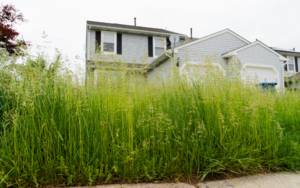
- Trim overgrown vegetation.
- Check grills for proper operation.
- Test outdoor lighting.
Fire Prevention
- Keep grills away from buildings and combustible materials.
- Clean grease buildup regularly.
- Never leave grills unattended.
- Verify smoke detectors are functioning properly.
(Source: National Fire Protection Association)
Enjoy a Safer Summer
Summer should be remembered for fun and relaxation. Whether you’re spending time poolside, exploring the outdoors, traveling, or soaking up the sunshine close to home, this summer safety guide can help keep everyone happy, healthy, and safe all season long.