The Quiet Work Behind Every Move-In

Before a resident ever walks through the door, work is already underway inside the home.
“It’s easy to think of renovations as cosmetic,” said Nick Thompson who helps lead the home renovation team at Progress Residential. “But a lot of what we do is beyond that. It’s the systems people rely on every day. When those are done right, everything else feels better.”
In one home, it means replacing an aging roof and reinforcing it for the next storm season. In another, it means refinishing kitchen cabinets and installing smart home devices. The details vary, but the goal is consistent: make the home ready for the people who will live there.
Over the past several years, tens of thousands of Progress homes have gone through this process. Each one is evaluated and improved with a focus on safety, functionality, and long-term durability. Materials are selected with health and efficiency in mind, including low-emission finishes and energy-efficient appliances where possible.
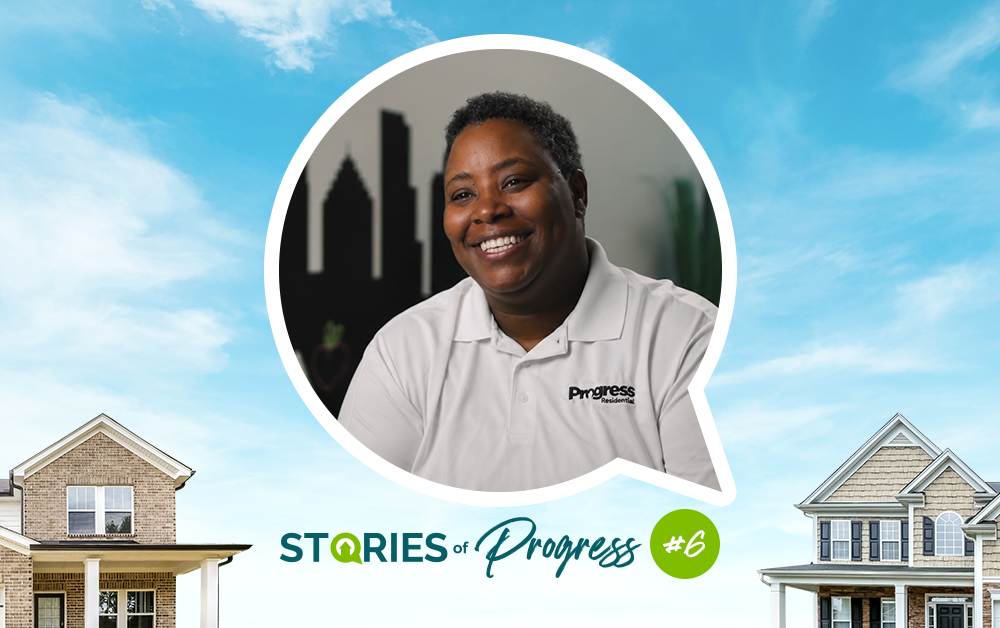
MC Farmer, a military veteran, is one of the construction team members making each home better. “Riding by a house after you’ve finished it and seeing somebody in that house and making it their home is so rewarding.”
But the impact extends beyond any single home.
By reinvesting in existing housing, these improvements help preserve and expand the supply of quality single-family homes in communities as demand continues to grow. Restoring and maintaining homes provides more quality housing options for residents while contributing to neighborhoods that remain vibrant and continue to thrive.
“When we step into a home, we’re thinking about the people who will live there, but also the street it sits on,” said Keith Chapman, who works on Thompson’s team. “A consistently well-maintained home strengthens the entire community. It’s all connected.”
In regions more affected by extreme weather, renovations often include reinforcements designed to help homes withstand changing conditions. Roof strapping, improved drainage, fire-resistant materials and storm-ready upgrades are integrated based on local needs.
“We’re thinking about the home not just as it is today, but what it may face over time,” Thompson added. “If we can make it more resilient now, we’re helping protect the people who will live there later.”
For residents, much of this work is invisible.
What they experience instead is a home that functions the way it should. Whether someone stays for a year or longer, the expectation is the same: A home that is safe and dependable.