Supporting Our Residents and Communities When it Matters: Progress’ Crisis and Disaster Response

When natural disasters hit, the difference between disruption and displacement often comes down to preparation.
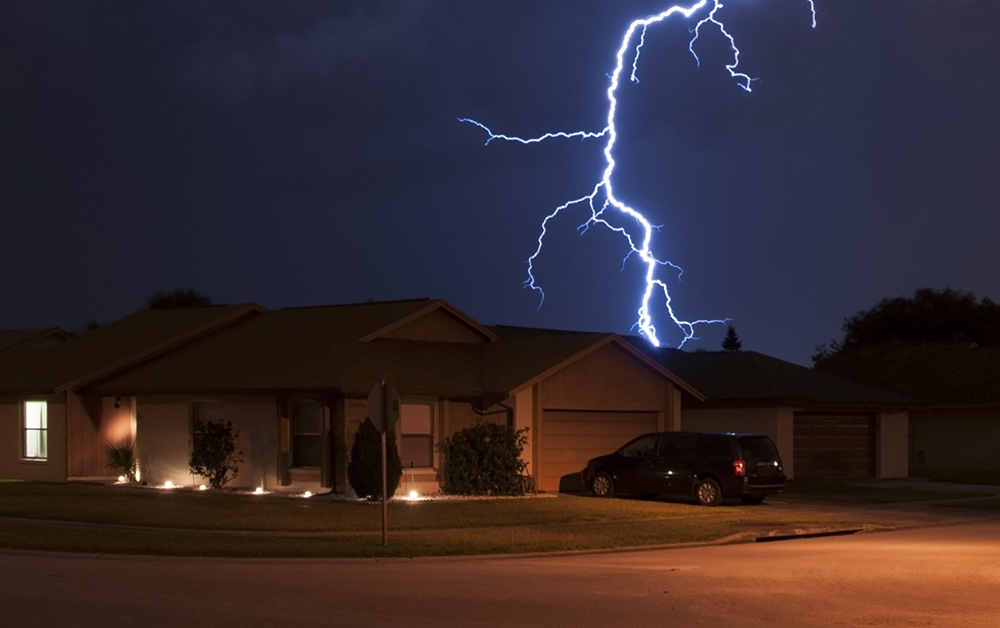
Storms, floods, extreme cold, and power outages don’t just damage homes, they interrupt lives, routines, and livelihoods. For people who rent single-family homes, especially families with children, seniors, or individuals with medical needs, the quality and reliability of a property manager’s response can shape outcomes long after the storm has passed.
In moments like these, that response extends well beyond maintenance. It becomes about stability, communication, and care, before, during, and after severe weather.
Preparation Throughout the Year
Effective disaster response begins long before the first weather alert. At Progress Residential, preparation is a year-round discipline that blends people-first planning with technology and operational scale.
Ahead of hurricane, winter storm, and wildfire seasons, residents receive clear, timely guidance through multiple channels, from newsletters and social media to direct communications informed by emergency management professionals. Homes are proactively assessed and maintained to mitigate known risks, while teams across the country are trained to respond quickly, regardless of geography.
This level of readiness requires coordination, consistency, and dedicated resources. While many housing providers aim to support residents during emergencies, not all are equipped with the systems or staffing needed to plan comprehensively or respond at scale.
Support Begins Before the Storm Arrives
When severe weather is imminent, Progress activates an emergency response team focused not just on forecasting weather, but on anticipating resident needs. By mapping homes against storm paths and official warnings, teams can identify where support is most likely to be needed and prepare accordingly.
Skilled labor, materials, and vendor partners are pre-positioned in safe locations so assistance can be deployed within hours, not days, after an event. Residents receive clear instructions on preparedness, reporting issues, and accessing emergency resources, reducing uncertainty at a moment when clarity matters most.
Early coordination like this helps communities respond more smoothly and allows residents to focus on their safety rather than logistics.
Real-time Response, Grounded in Data
Once a storm is underway, maintaining situational awareness becomes critical. Progress integrates local news feeds, real-time property data, satellite imagery, and smart-home technology into a centralized command center. This allows teams to see where damage is most likely, identify dangerous conditions inside homes, and prioritize response based on habitability and resident safety.
In practical terms, that means identifying homes without power or heat, dispatching technicians where conditions allow and communicating updates through multiple channels as circumstances evolve.
During Winter Storm Fern earlier this year, smart-home thermostats alerted teams to unsafe indoor temperatures so they could intervene. As a result, households received targeted support, restoring heat where possible or providing hotel accommodations when necessary, while avoiding relocations that could have exposed residents to additional risk.
Technology, in this context, isn’t about efficiency alone, it’s about precision and care.
Recovery That Puts People First
After the storm passes, the work is far from over. Progress begins repairs immediately, without waiting on insurance claims, prioritizing the most severe issues first. Residents can track progress on repairs digitally, giving them transparency during a stressful time.
When homes are temporarily uninhabitable, relocation support is hands-on and flexible. Residents may be moved into vacant Progress homes, receive adjusted rent to make relocation feasible, or be supported with moving expenses. Short-term hotel stays are provided when needed, and leases can be terminated without penalty if another solution is not available.
For residents, this approach can make the difference between prolonged displacement and a clear path forward.
Raising the Standard for Housing Stability
As extreme weather becomes more frequent and severe, preparedness is no longer a secondary consideration for housing providers and property managers, it is a defining responsibility.
Organizations like Progress Residential with the scale, infrastructure, and commitment to plan ahead and respond decisively play an important role in helping residents and communities recover more quickly. When systems are in place and teams are empowered to act, support can be delivered with speed, consistency, and compassion.
In moments of crisis, what matters most is knowing someone is prepared to stand behind the home, and the people living in it.