A Cycle of Care for Residents: Disaster Response at Progress Residential

When severe weather strikes, the disruption for residents can feel sudden and overwhelming. But for the teams supporting them, the work started long before the storm arrived.
Jeff Stallard, who oversees Disaster and Recovery Response at Progress Residential, thinks about crisis response differently than most.
“Disasters are not a point in time, they are a cycle of actions,” he says. “Preparedness, response, recovery and mitigation. Each one matters because each one shapes how residents experience these moments.”
That cycle begins months in advance with training, cross-market coordination and deliberate effort to help residents prepare for when something goes wrong.
“You cannot wait until a storm is on the radar,” Stallard says. “We start months in advance, thinking through how to reduce uncertainty for residents so they are not facing it alone.”
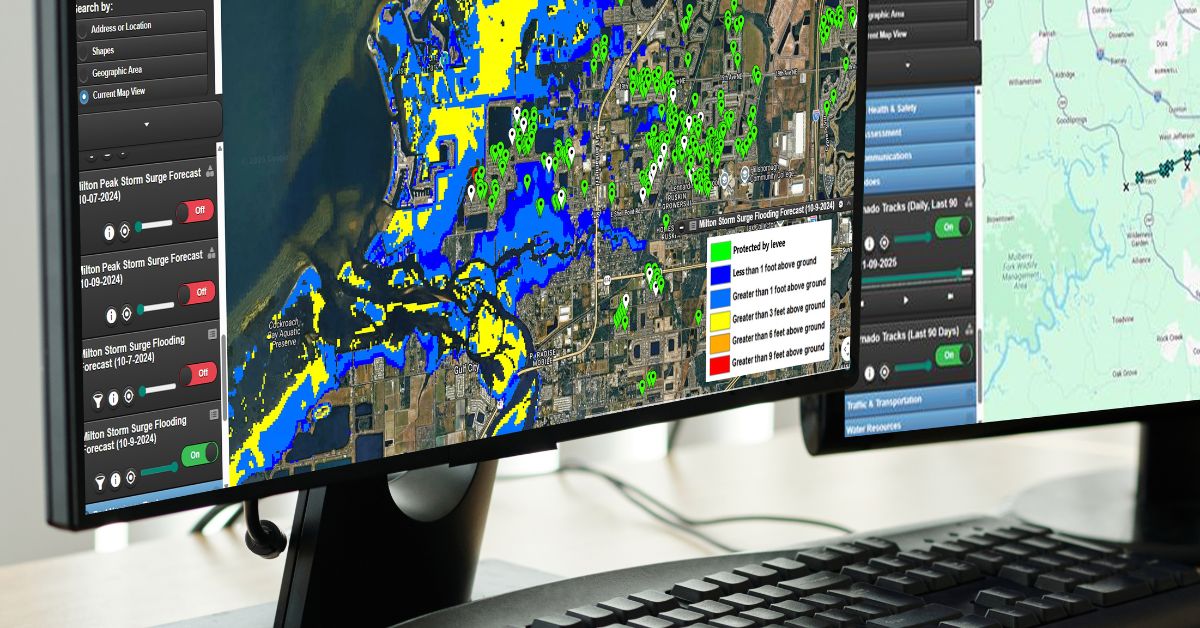
When Hurricane Milton made landfall in 2024, that preparation was put to the test. Thousands of homes required attention across impacted areas, each one with an individual or family navigating disruption, uncertainty, and in some cases, displacement.
In the days that followed, team members worked to confirm the safety of every resident and employee, reaching that milestone within five days.
For some residents, Hurricane Milton left their home no longer safe to occupy. The team’s attention shifted immediately to finding a path forward. Some transferred into another available Progress Residential home. Others found housing outside of Progress and were supported through the transition. In every case, the goal was the same: helping residents find a safe place to live as quickly as possible.
“The data tells you how many homes are impacted,” Stallard said. “But behind every number is a person. That has to stay at the center of every decision we make.”
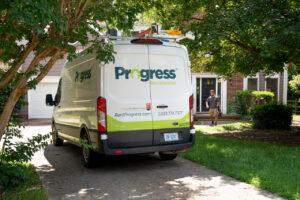
To strengthen that commitment, Progress introduced new capabilities in 2025, including a centralized Storm Operations Center and a dedicated Forward Initial Response and Support Team, known as FIRST. These trained team members are deployed ahead of major events and mobilized as soon as conditions allow, going home to home to check on residents, assessing damage, and providing real-time support.
Recovery begins immediately and extends beyond repairs. The focus is on helping residents regain a sense of normalcy quickly and safely. “The goal is not just to fix what was damaged,” Stallard said. “It is to help people move forward.”
Each event also informs future response efforts. Teams evaluate what worked, identify opportunities to improve and carry those lessons forward.
In moments like these, residents need more than a repaired home. They need to know that someone is working on their behalf – before the storm, during it and long after it passes.