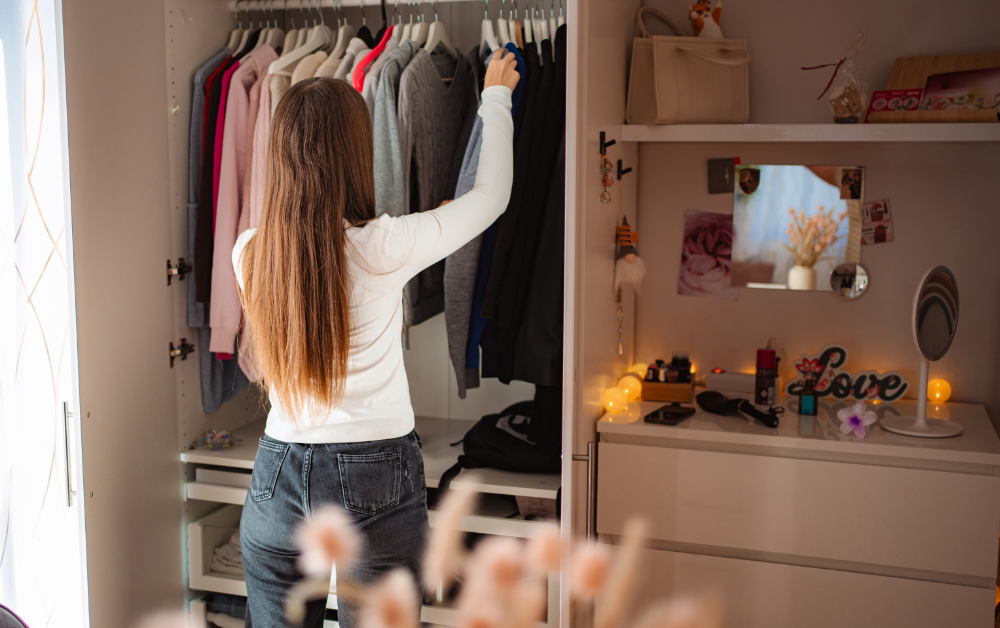
Fall Closet Organization: Tips for a More Organized Wardrobe

In this blog post, you’ll learn:
- How to transition your closet from summer to fall efficiently
- Smart organization strategies that maximize space and visibility
- How to maintain a clutter-free wardrobe throughout the season
As the seasons change, so do your wardrobe needs. Fall is the perfect time to refresh your closet, swap out summer essentials and create a more functional space that makes getting dressed easier every day.
Why Organize Your Closet for Fall?
With cooler temperatures, layered outfits and a shift in daily routines, organizing your closet this time of year helps ensure your favorite sweaters, jackets, boots and accessories are easy to find when you need them. It can also help you identify items you no longer wear, making room for pieces you’ll actually use.
A well-organized closet saves time, reduces stress and can help extend the life of your clothing by storing items properly.
Step 1: Start with a Seasonal Closet Reset
Before arranging anything, take everything out or review each section of your closet individually. As you sort through your wardrobe, create three categories:
- Keep: Items you regularly wear and love.
- Donate or Sell: Clothing that no longer fits, suits your style, or has not been worn in the past year.
- Store: Seasonal items that won’t be needed again until warmer weather returns.
Be honest about what you actually wear. Holding onto pieces “just in case” often leads to unnecessary clutter.
Step 2: Store Summer Clothing Properly
Once you’ve identified summer clothing that won’t be needed for several months, store those items in a way that keeps them clean and protected.
Consider storing:
- Swimsuits
- Tank tops
- Lightweight shorts
- Summer dresses
- Beach accessories
Use clear storage bins or labeled containers so you can easily locate items when spring arrives. If closet space is limited, under-bed storage solutions can be a helpful solution.
Step 3: Put Fall Favorites Front and Center
Now it’s time to bring your fall wardrobe into focus! Move frequently worn seasonal essentials to the most accessible areas of your closet, including:
- Sweaters and cardigans
- Long-sleeve shirts
- Jeans and pants
- Light jackets and coats
- Scarves and hats
Arranging items by category makes it easier to build outfits and quickly find what you need during busy mornings.
Step 4: Maximize Closet Space
Try a few of these practical adjustments to help you make the most of your closet space.
- Use slim hangers. Slim hangers take up less room than bulky plastic or wooden ones.
- Utilize vertical space. If your closet has a high shelf, store lightweight seasonal items in labeled bins that you can safely reach. Use hanging organizers for shoes and/or accessories.
- Add drawer dividers. Small organizers can keep socks, tights, belts and other accessories separated. This prevents clutter from building up in drawers.
- Make use of doors and unused corners. Over-the-door organizers and hooks can provide extra storage for bags, scarves and belts. Plus, they won’t damage your doors or walls!
Before purchasing new storage products, assess the items and space you already have. Repurposing unused baskets and/or boxes can help you get organized without spending any extra money.
Step 5: Create a Closet That Makes Getting Dressed Easier
An organized closet should work with your daily routine, not just look tidy. Think about how you get dressed and arrange your wardrobe to make that process easier.
Start by identifying a few go-to fall outfits. For instance, you can pair your favorite jeans with versatile tops, layer sweaters over basic shirts or coordinate jackets with everyday shoes. Keeping these pieces easy to access can help you get ready faster.
Create a small section for items you wear frequently throughout the week. This might include work clothes, comfortable weekend outfits or layers you can easily add when temperatures drop.
If you live in an area where fall weather changes throughout the day, keep lightweight layers accessible. A cardigan, denim jacket or light coat can be useful when mornings are cool but afternoons are warmer.
Step 6: Maintain Your Organized Closet All Season
Once your closet is organized, a few small habits can help you keep it that way throughout fall (and the rest of the year!)
- Spend five minutes resetting your closet each week. Return clothing to its designated place, refold anything that has become messy and put accessories back where they belong.
- Put laundry away promptly. Clean clothes left in baskets or piled on furniture can quickly undo your organizing efforts. Make putting away laundry part of your regular routine.
- Reassess your wardrobe as the season progresses. If you notice that certain pieces remain untouched, consider whether you really need them. Set aside items you no longer wear for donation or resale.
- Use the one-in, one-out approach. When you purchase a new sweater, pair of jeans or jacket, consider removing a similar item you no longer need. This helps prevent your wardrobe from becoming overcrowded.
These simple habits can help you maintain an organized wardrobe without having to start from scratch every few months.
Enjoy Your Organized Progress Residential Home and Closet
A seasonal closet refresh is a simple way to make your home feel more organized and your daily routine a little easier. By decluttering, storing summer essentials properly and giving your fall favorites a designated place, you can create a wardrobe that works for your needs throughout the season.
Start with one section of your closet, build a few easy habits and make adjustments as the weather changes. Small steps can make a noticeable difference in keeping your space functional, comfortable and clutter-free.
Frequently Asked Questions
1. When should I transition my closet from summer to fall?
The best time to transition your closet is when temperatures begin to cool and your daily clothing needs start to change. For many households, this happens in September or October, but the timing depends on your local climate. If your area experiences warm afternoons and cool mornings, keep a mix of lightweight and heavier layers accessible.
2. How can I organize a small closet for fall?
Make the most of limited space by using slim hangers, vertical organizers, drawer dividers and under-bed storage. Fold bulky sweaters instead of hanging them, store out-of-season clothing in labeled containers and keep frequently worn items within easy reach. Decluttering before organizing also helps you create more usable space without adding storage furniture.
3. What’s the best way to store summer clothes until spring?
Wash and thoroughly dry summer clothing before storing it. Fold items neatly and place them in clean storage bins or breathable fabric bags, depending on the material and storage conditions. Keep containers in a cool, dry location away from direct sunlight, and label them so you can easily find what you need when warm weather returns.